How to Practice Acting at Home
You don't need a stage to become a better actor. Learn simple, effective ways to practice acting at home and continue improving your skills every day.
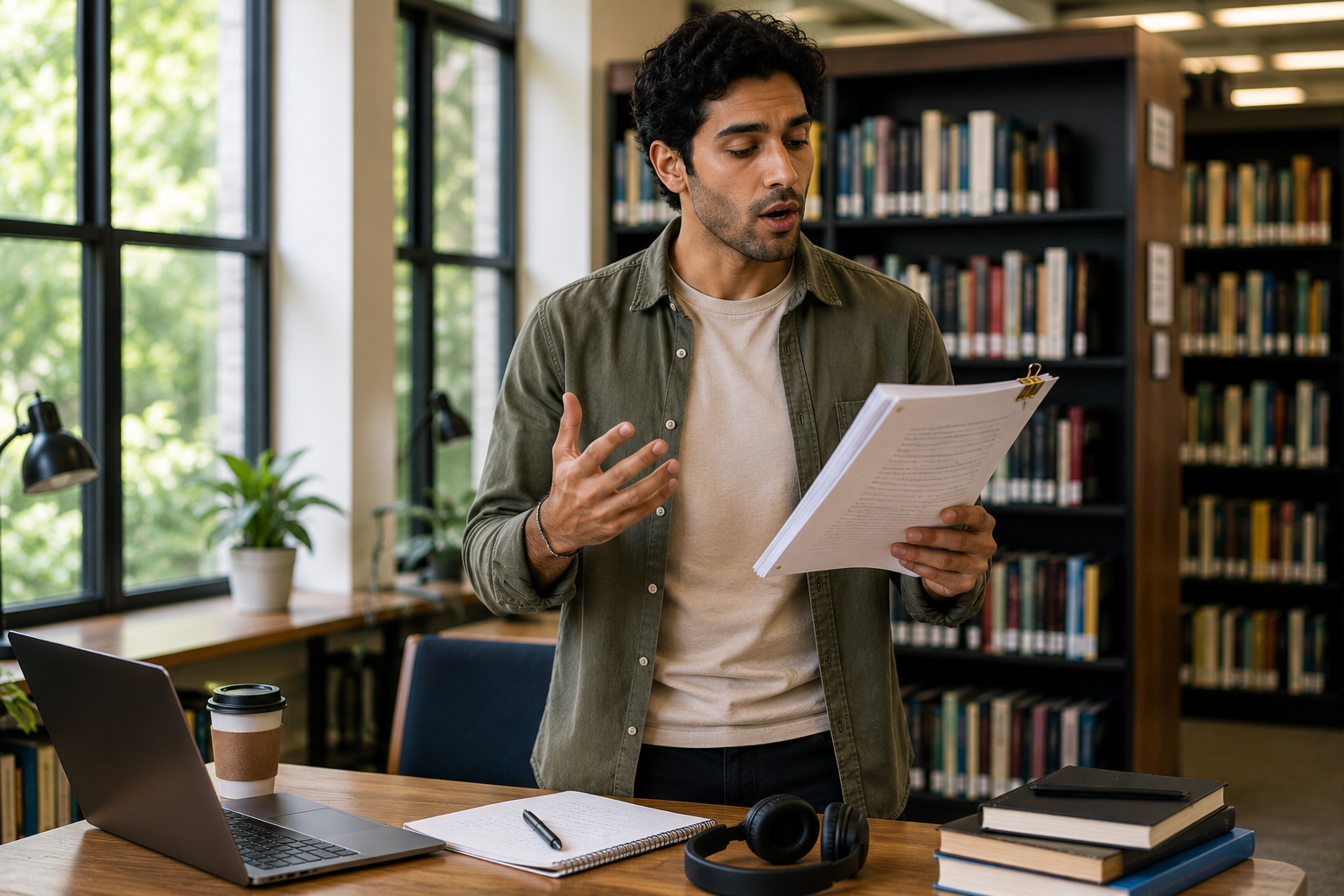
Not every acting lesson happens on a stage or in front of a camera.
Some of the most valuable practice takes place at home.
Whether you're preparing for your first audition or looking to strengthen your skills between opportunities, practicing consistently can help you become a more confident and versatile performer.
The best part is that you don't need expensive equipment or a dedicated rehearsal space to improve.
With a few simple exercises and a regular routine, you can continue developing your craft from the comfort of your own home.
In this guide, you'll discover practical ways to practice acting at home, build stronger performance habits, and make steady progress throughout your acting journey.
Why Practice at Home?
Professional actors continue practicing even when they aren't preparing for a specific role.
Regular practice helps you:
- Build confidence.
- Strengthen your memory.
- Improve emotional expression.
- Develop consistency.
- Stay prepared for future auditions.
Think of acting as a skill that grows through repetition.
The more often you practice, the more natural your performances become.
Read Scripts Regularly
One of the easiest ways to improve is simply by reading scripts.
Explore different genres, characters, and writing styles.
As you read, ask yourself:
- What does this character want?
- What emotions are driving the scene?
- How would I naturally respond?
Script reading helps you develop stronger character analysis skills before you ever begin memorizing lines.
Practice Monologues
Monologues allow you to focus on your performance without needing another actor.
Choose material that's appropriate for your age range and casting type.
As you rehearse:
- Experiment with different emotions.
- Vary your pacing.
- Practice making clear choices.
- Focus on truthful reactions rather than dramatic gestures.
Recording yourself occasionally can help you notice areas for improvement.
Record Self-Tapes
Your smartphone can become one of your best acting tools.
Recording practice scenes allows you to observe your performance from the audience's perspective.
After watching your recording, consider:
- Did my performance feel natural?
- Was my voice clear?
- Did my facial expressions match the scene?
- Did I stay connected to the character?
Reviewing your work objectively helps you improve over time.
Practice Observation
Actors often learn by observing real people.
Notice how people:
- Speak.
- Walk.
- React.
- Express emotion.
- Interact with others.
Observation helps you create believable characters by drawing inspiration from everyday life.
Practice With a Scene Partner
While solo practice is valuable, working with another person can help you develop important acting skills.
A scene partner allows you to:
- Listen and respond naturally.
- Explore different interpretations of a scene.
- Improve your timing.
- Practice emotional reactions.
- Build confidence performing with others.
If you don't have a regular scene partner, consider joining an acting class, a local theatre group, or an online acting community.
Explore Different Characters
Avoid practicing the same type of character every time.
Challenge yourself by exploring different personalities, emotions, and situations.
For example, you might practice playing:
- A confident leader.
- A nervous student.
- A caring parent.
- A determined athlete.
- A mysterious stranger.
Trying different roles helps expand your range and prepares you for a wider variety of auditions.
Build a Weekly Practice Routine
Consistency is more important than practicing for long periods once in a while.
A simple weekly routine might include:
- Reading scripts two or three times a week.
- Practicing a monologue.
- Recording one self-tape.
- Watching performances by experienced actors.
- Reviewing your recordings and making notes.
Even 20 to 30 minutes of focused practice several days a week can lead to meaningful improvement over time.
Watch Great Performances
Watching experienced actors can teach you a great deal about storytelling.
As you watch films, television series, or stage performances, pay attention to:
- Vocal delivery.
- Body language.
- Facial expressions.
- Emotional transitions.
- Character relationships.
Rather than copying another actor, observe the choices they make and think about why those choices work.
Common Mistakes When Practicing at Home
Practicing regularly is important, but avoiding a few common mistakes can help you make better progress.
Practicing Only Your Strengths
It's natural to rehearse scenes that feel comfortable.
However, growth often happens when you challenge yourself with material that's unfamiliar or more emotionally demanding.
Never Watching Your Recordings
Many actors record practice scenes but never review them.
Watching your performances allows you to identify habits, strengths, and areas that can be improved.
Expecting Instant Improvement
Acting is a craft that develops over time.
Don't become discouraged if progress feels gradual.
Consistent practice leads to steady improvement.
Practicing Without Clear Goals
Instead of simply repeating scenes, decide what you want to improve during each practice session.
For example, you might focus on:
- Listening more naturally.
- Improving eye contact.
- Strengthening emotional connection.
- Speaking more clearly.
Specific goals make your practice more effective.
Frequently Asked Questions
Can I become a better actor by practicing at home?
Yes.
While classes and live experience are valuable, regular practice at home helps strengthen your skills and prepares you for auditions and future opportunities.
How often should I practice acting?
Many beginners benefit from practicing several times each week.
Even short, consistent sessions are more effective than practicing occasionally for long periods.
Do I need expensive equipment?
No.
A smartphone, printed script, notebook, and a quiet place to practice are enough to begin developing your skills.
What should I practice first?
Start with script reading, monologues, and recording simple self-tapes.
These exercises help improve confidence while building skills you'll use throughout your acting career.
Your Next Steps
Improving as an actor doesn't require waiting for your next audition.
Every practice session is an opportunity to build confidence, strengthen your technique, and become more comfortable performing.
As you continue developing your skills:
- Read scripts regularly.
- Practice different characters.
- Record self-tapes.
- Review your performances.
- Stay consistent with your routine.
Small improvements made over time often lead to the biggest results.