What Special Skills Should You Include?
The Special Skills section of your acting resume can help you stand out—if it's accurate and relevant. Learn what to include and what to leave off.

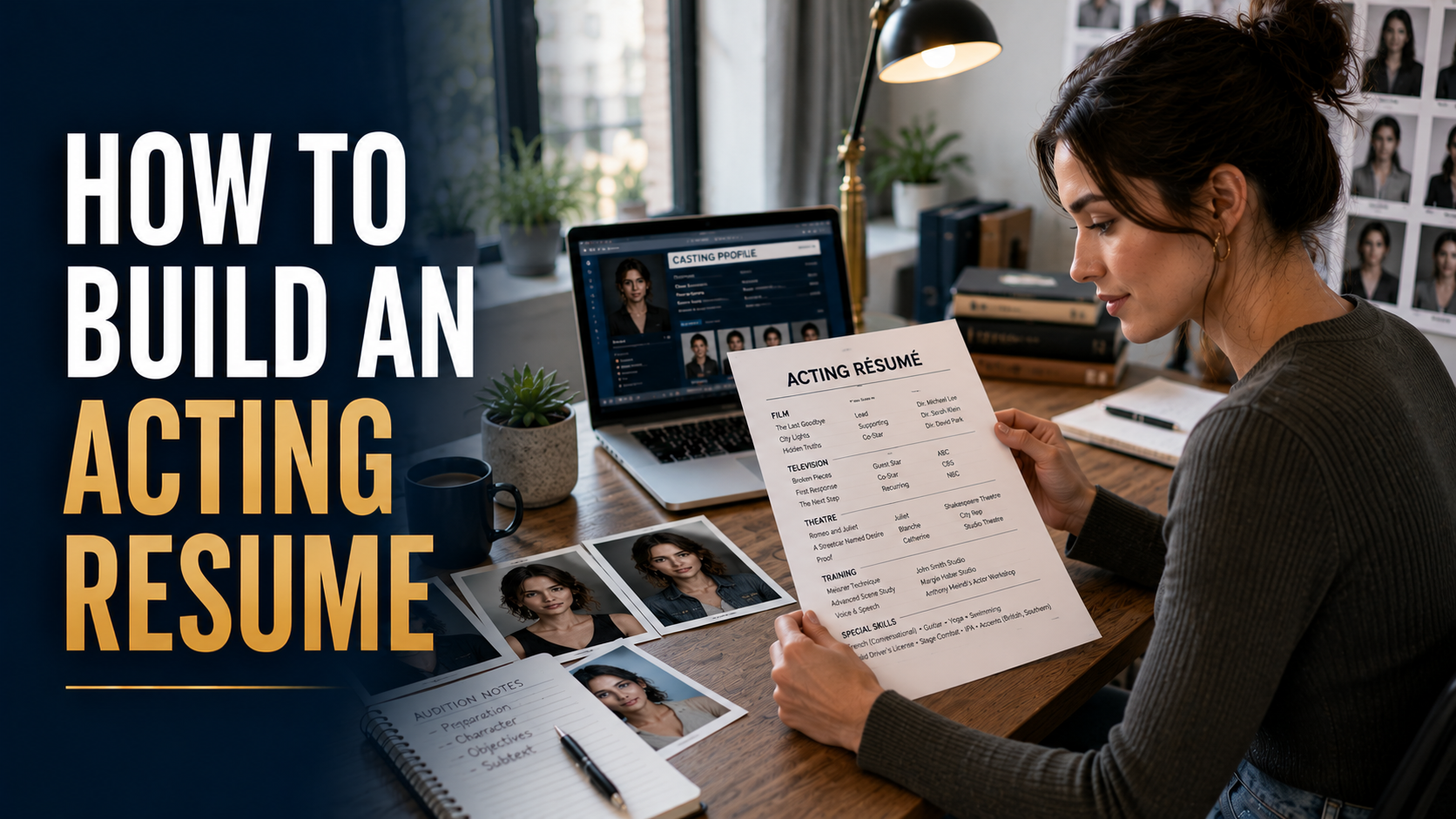
The Special Skills section is one of the most unique parts of an acting resume.
Unlike your acting credits or training, it highlights abilities that may make you a stronger fit for certain roles.
A particular skill could help casting professionals imagine you in projects that require specific talents or real-world experience.
However, many actors make the mistake of treating this section like a list of hobbies.
Instead, your Special Skills section should include abilities you can confidently perform if asked during an audition or on set.
In this guide, we'll explain what special skills are, which ones are worth including, and how to present them professionally.
Why Special Skills Matter
Some productions require performers with abilities beyond acting.
For example, a role may call for someone who can:
- Play a musical instrument.
- Speak another language.
- Perform stage combat.
- Dance.
- Ride horses.
- Swim confidently.
If you already possess those abilities, listing them on your resume can help casting professionals identify you for roles where those skills are valuable.
Include Skills You Can Perform Confidently
The best rule is simple:
Only include skills you could comfortably demonstrate if asked.
Casting teams sometimes verify listed abilities during auditions or rehearsals.
If you claim a skill you cannot perform, it can create an awkward situation and damage your professional credibility.
Honesty is always the best strategy.
Examples of Valuable Special Skills
Depending on your background, you might include skills such as:
- Foreign languages.
- Musical instruments.
- Singing.
- Dance styles.
- Sports.
- Martial arts.
- Stage combat.
- Accents and dialects.
- Valid driver's license (when relevant).
- Professional certifications related to performance.
Remember that the value of a skill depends on your actual level of proficiency.
Think About Your Natural Strengths
Not every useful skill comes from formal training.
Consider experiences you've developed through everyday life.
For example:
- Competitive athletics.
- Public speaking.
- Outdoor activities.
- Professional hobbies.
- Cultural knowledge.
- Specialized work experience that may support certain roles.
Authentic abilities often make your resume more distinctive than generic lists copied from other actors.
Keep the List Organized
Present your Special Skills section in a simple, easy-to-read format.
Grouping similar abilities together can help casting professionals quickly identify relevant skills without searching through long paragraphs.
Clarity is more valuable than quantity.
Skills That Usually Don't Belong on Your Resume
Not every hobby or casual interest belongs in your Special Skills section.
Before adding a skill, ask yourself:
"Could I confidently demonstrate this if a casting director asked me to?"
If the answer is no, it probably shouldn't be listed.
For example, avoid including abilities that you:
- Tried only once or twice.
- Learned years ago but no longer practice.
- Cannot demonstrate consistently.
- Are still actively learning at a beginner level.
Your Special Skills section should build confidence—not create unrealistic expectations.
Keep Your Skills Current
Just like your acting credits and training, your Special Skills section should evolve over time.
Review it regularly and:
- Add newly developed skills.
- Remove skills you no longer use.
- Update proficiency as your abilities improve.
- Keep the list relevant to your current career goals.
A current resume is easier for casting professionals to trust.
Quality Is Better Than Quantity
Some actors believe a longer Special Skills section is automatically better.
In reality, a concise list of genuine abilities is usually much more effective.
A few strong, verifiable skills often leave a better impression than a long list of unrelated hobbies or beginner-level experiences.
Focus on abilities that genuinely support your acting career.
Common Mistakes When Listing Special Skills
Here are several mistakes actors commonly make.
Listing Skills You Can't Demonstrate
If you include horseback riding, martial arts, singing, or another specialized ability, be prepared to demonstrate it if the role requires it.
Only list skills you're comfortable performing professionally.
Including Every Hobby
Not every personal interest belongs on an acting resume.
Choose skills that could realistically support your casting opportunities rather than trying to fill space.
Overestimating Your Proficiency
It's perfectly acceptable to still be learning new skills.
However, avoid presenting yourself as an expert unless you truly have that level of experience.
Professional honesty strengthens your reputation throughout your career.
Forgetting That Skills Can Help Tell Your Story
Special Skills aren't just a checklist.
They provide additional insight into your experiences and abilities.
Thoughtfully chosen skills can help casting professionals imagine you in a wider range of roles while still presenting an authentic picture of who you are.
Frequently Asked Questions
Should beginners include a Special Skills section?
Yes.
Even actors with limited acting experience often have valuable real-world skills that may support future casting opportunities.
Choose abilities you can confidently demonstrate and present them honestly.
Can hobbies count as Special Skills?
Sometimes.
If a hobby has developed into a genuine skill that you can perform reliably, it may be appropriate to include.
The key is whether you could confidently demonstrate it if asked.
Should I list accents or dialects?
If you can perform them consistently and accurately, accents and dialects can be valuable additions to your resume.
Only include those you're comfortable using in a professional setting.
How many Special Skills should I include?
There's no perfect number.
Include enough to accurately represent your abilities without overwhelming the reader.
A focused, relevant list is generally more effective than an extensive one.
Your Next Steps
The Special Skills section can strengthen your acting resume when it's built on genuine experience and honesty.
As you review your resume:
- Include only skills you can confidently perform.
- Keep your list organized and current.
- Focus on quality rather than quantity.
- Think about how each skill supports your casting opportunities.
- Update your resume as you develop new abilities.
Well-chosen Special Skills help casting professionals see the full range of what you can bring to a production while reinforcing your professionalism and credibility.