What Happens During a Wardrobe Fitting?
Learn what happens during a wardrobe fitting, why fittings are important, and how actors can prepare before filming begins.
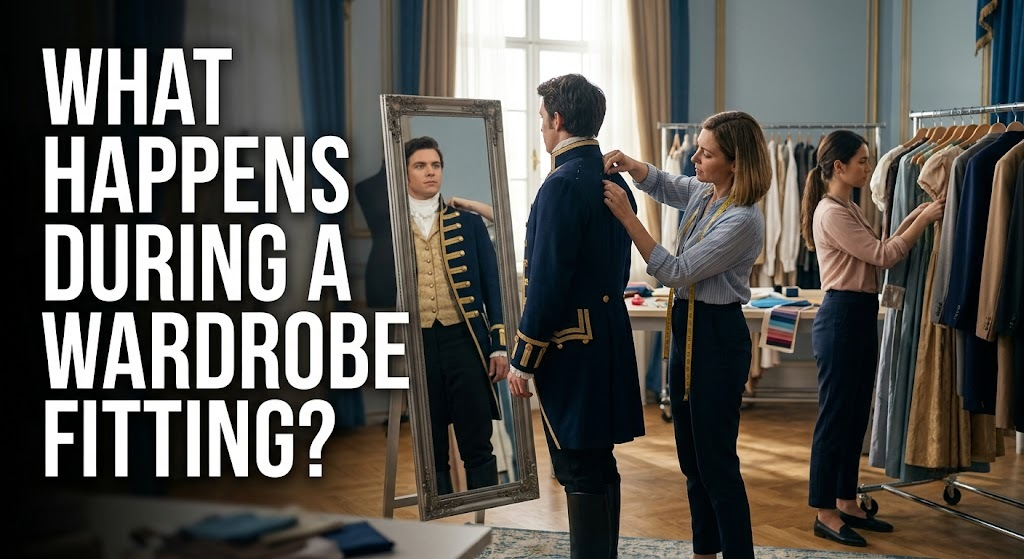
Long before cameras begin rolling, many actors participate in a wardrobe fitting.
Although it may seem like a simple appointment, wardrobe fittings play an important role in helping productions prepare characters for the screen.
Costumes do more than provide clothing—they help communicate personality, time period, occupation, and the overall visual style of the production.
Understanding what happens during a wardrobe fitting can help actors arrive prepared, feel more confident, and collaborate effectively with the costume department.
In this guide, we'll explain what wardrobe fittings involve, why they matter, and what actors can typically expect before filming begins.
Preparing a Character's Look
A wardrobe fitting allows the costume department to select, adjust, and evaluate clothing before filming begins.
The goal is to ensure that costumes support both the character and the production's creative vision.
Depending on the project, wardrobe professionals may consider:
- Character personality.
- Time period.
- Setting.
- Color palette.
- Scene requirements.
- Practical movement during filming.
Every wardrobe choice contributes to visual storytelling.
What You Can Expect During the Appointment
Wardrobe fittings vary from one production to another, but many include:
- Taking measurements.
- Trying on multiple clothing options.
- Assessing fit and comfort.
- Making alterations if needed.
- Photographing approved wardrobe combinations.
- Discussing any scene-specific costume requirements.
The process is collaborative and designed to ensure the actor is comfortable and the costume works well on camera.
Collaboration With the Costume Department
Wardrobe professionals bring extensive expertise to every production.
Throughout the fitting, actors may work with:
- Costume designers.
- Wardrobe supervisors.
- Costume assistants.
- Tailors or seamstresses.
Open communication helps the department make practical adjustments while maintaining the creative vision established for the production.
Comfort Supports Better Performances
Wardrobe should allow actors to move naturally while portraying their characters.
If something feels uncomfortable or limits necessary movement, it's helpful to communicate respectfully during the fitting.
Addressing concerns before filming begins allows the costume department to explore appropriate solutions whenever possible.
The goal is to help actors perform confidently while maintaining the visual consistency of the production.
Every Production Has Its Own Process
Some wardrobe fittings are brief, while others may involve multiple appointments.
The experience depends on factors such as:
- Production size.
- Number of costumes.
- Character requirements.
- Period or contemporary setting.
- Costume complexity.
Every production develops a fitting process that supports its creative and logistical needs.
Common Misconceptions About Wardrobe Fittings
Actors who are attending their first wardrobe fitting sometimes have misconceptions about the process.
Here are a few common ones.
Wardrobe Fittings Are Only About Clothing Sizes
Finding the correct size is only one part of the process.
The costume department also considers how clothing supports the character, fits within the visual style of the production, works under lighting, and allows actors to move comfortably during filming.
Every wardrobe decision serves both practical and creative purposes.
The Costume Is Final the First Time You Try It On
Not necessarily.
It's common for adjustments to be made after an actor tries on a costume.
Depending on the production, the wardrobe team may:
- Make alterations.
- Try different clothing combinations.
- Change accessories.
- Adjust colors or fabrics.
- Select alternate options for specific scenes.
The fitting helps the department determine what works best before filming begins.
Actors Should Never Mention If Something Feels Uncomfortable
Professional communication is encouraged.
If a costume feels restrictive or creates challenges for movement required in a scene, respectfully mentioning it during the fitting allows the wardrobe department to evaluate possible solutions.
Addressing concerns early is often easier than making changes during production.
Every Wardrobe Fitting Is the Same
Wardrobe fittings vary from one production to another.
Some actors may attend a brief fitting for contemporary clothing, while others participate in multiple sessions for period costumes, specialty wardrobe, or productions requiring numerous costume changes.
The process depends on the needs of the production.
Respect the Work of the Costume Department
Costume professionals invest significant time preparing every wardrobe piece before filming.
Actors can help the process by:
- Arriving on time.
- Following fitting instructions.
- Treating costumes with care.
- Communicating respectfully.
- Remaining patient during adjustments.
- Asking questions when appropriate.
Working collaboratively helps the fitting proceed efficiently and supports a positive working relationship.
Wardrobe Helps Tell the Story
Costumes are more than clothing.
They provide visual information that helps audiences understand:
- The character's personality.
- Occupation.
- Lifestyle.
- Historical period.
- Social environment.
- Place within the story.
When wardrobe, performance, and production design work together, they create a more believable world for the audience.
Frequently Asked Questions
Should I bring anything to a wardrobe fitting?
Follow the instructions provided by the production.
Some productions may ask actors to bring specific shoes, undergarments, or other items needed to properly evaluate costume options.
Review any instructions before arriving.
Can costumes change after filming begins?
Yes.
If creative or practical needs change during production, the costume department may make adjustments while maintaining continuity.
Why are actors photographed during wardrobe fittings?
Many productions photograph approved wardrobe combinations as a reference for continuity.
These images help the costume department recreate the same look throughout filming.
What if a costume doesn't fit properly?
Let the wardrobe department know during the fitting.
Adjustments or alterations can often be made before filming begins to improve comfort and maintain the intended appearance.
Your Next Steps
Wardrobe fittings are an important part of preparing both actors and productions for a successful filming experience.
As you attend future fittings:
- Arrive prepared and on time.
- Follow the costume department's guidance.
- Communicate respectfully if something feels uncomfortable.
- Handle costumes with care.
- Appreciate the role wardrobe plays in visual storytelling.
A successful wardrobe fitting helps ensure that you feel comfortable, your character looks authentic, and the production is ready when cameras begin rolling.